
When Love Hurts: How Childhood Violence Shapes Our Ability to Hold Onto Love

By Johanna Sparrow
From the Attachment Drama Healing Series™
Some people grow up watching their parents fight with words that cut, actions that bruise, and silence that wounds just as deeply. Others watch the slow collapse of a marriage—two adults trying to survive their own pain, unable to hold each other, and unaware of how much the children are absorbing in the background.
Physical abuse in the home is not just an event. It becomes an emotional environment. A climate. A memory your body carries for years.
When children witness violence—whether emotional, mental, or physical—they learn something about love long before they ever date, marry, or build families of their own.
They learn that love can be unpredictable. They learn that connection can quickly become chaos. They learn that silence may be safer than honesty. They learn that the people you need the most can also hurt you the most.
And these lessons shape every relationship that follows.
When Parents Battle, Children Become Emotional Witnesses
Some children stand frozen between two arguing parents. Others hide in their rooms and cover their ears. Some step in to calm the chaos. And some learn to disappear because being unseen feels safer than being involved.
Watching parents fight—whether physically or mentally—teaches a child:
that love is unstable
that safety can be taken away in a moment
that attachment is something you work for, not something you receive
that relationships are something you endure, not something you build
These children grow into adults who fear conflict, abandon themselves to keep the peace, or become hyper-independent because needing someone feels too risky.
When You Watch Family Members Struggle in Love
Seeing the adults around you fail in their relationships hurts in a different way. You watch:
divorces that leave emotional debris
marriages held together by duty, not love
people staying silent because speaking truth feels dangerous
others walking away because staying hurts too much
some not caring enough to fix what’s broken
others trying but drowning in their own wounds
As a child or young adult, you begin to wonder:
Does love ever stay? And if it doesn’t, am I the problem?
When Divorce Feels Like Abandonment
Divorce doesn’t just separate two adults—it splits the emotional foundation children depend on.
Even when the divorce is healthy or necessary, the child experiences:
abandonment
confusion
a loss of home
a shift in identity
a break in emotional continuity
Children internalize that break. Adults do too.
For many, divorce becomes evidence that love ends. That love is fragile. That love slips away no matter how tightly you hold it.
And when you’re hurting, you look for someone to blame.
Sometimes you blame the parent who left. Sometimes you blame the one who stayed. Sometimes you blame yourself. Sometimes you blame love itself.
When Attachment Styles Take Over
Your attachment style is the emotional script you learned from the home you grew up in.
If you grew up around chaos, you may expect chaos. If you grew up around abandonment, you may fear it in every relationship. If you grew up around emotional closeness that never lasted, you may chase love that hurts and run from love that heals.
An insecure attachment can make love feel like a battlefield, not a sanctuary.
Few People Take Responsibility for Their Relationships
Most adults carry unresolved pain into their relationships and then wonder why the foundation cracks:
Some blame their partner for everything.
Some blame life.
Some blame God.
Some blame their parents.
Some blame their childhood.
But very few people ask themselves:
“How did my past shape the way I show up in love? And how am I contributing to what’s falling apart?”
Responsibility isn’t about blame. It’s about understanding. It’s about healing. It’s about taking back the power childhood took from you.
How Do You Cope When Love Doesn’t Stay?
The truth is harsh, but healing:
You learn to love yourself the way no one in your childhood knew how to love you. You learn to build emotional safety inside your own heart. You learn to stop repeating the patterns that hurt you. You learn to take responsibility for your own attachment wounds. You learn to forgive—not to excuse the past, but to release its grip. You learn that love leaving is not a sign of unworthiness—it is a sign of misalignment.
You cope by creating a new attachment story. One that honors your past but does not repeat it. One that embraces truth instead of survival patterns.
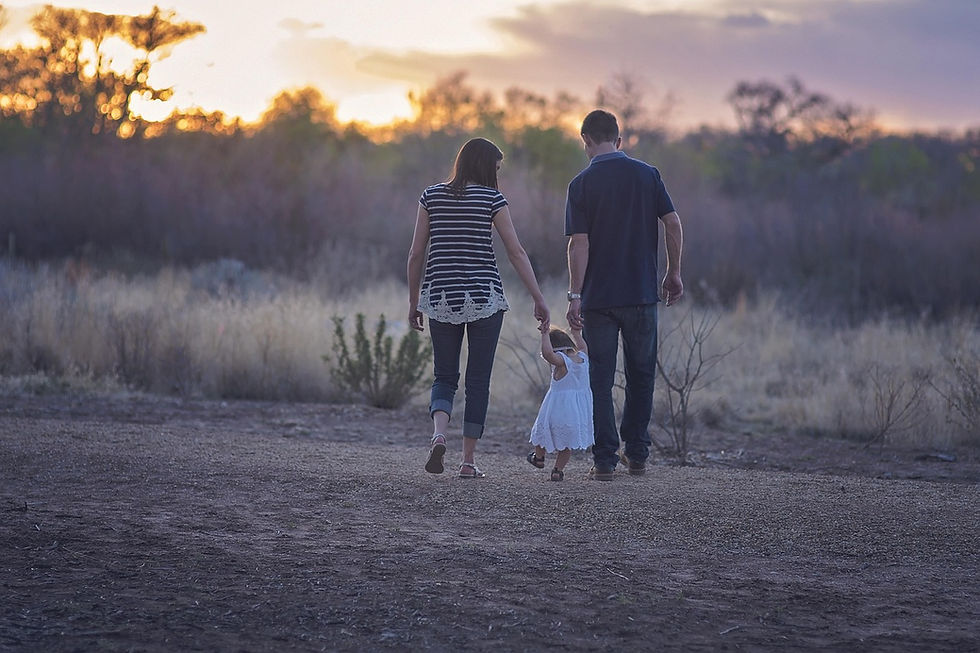
One that allows you to love without losing yourself.
And that is the work of the Attachment Drama Healing Series™—to help you understand the emotional inheritance you carry so you can choose a healthier legacy to pass forward.
More reflections are on the way.


Comments